



The story of Kosen Judo begins in the late 19th century, specifically in 1898, during a period of intense cultural and educational reform in Meiji-era Japan. As Judo began to spread through the national school system, a unique competitive culture emerged within the "Kosen"—the old-system high schools and technical colleges. These institutions, which preceded the modern university system, fostered a team-based competition style that rewarded technical specialization, particularly in the realm of groundwork (Newaza). The first official Kosen Judo tournament was held at Kyoto Imperial University, marking the birth of a tradition that would define a generation of martial artists.
Unlike the Kodokan, which sought to maintain a balanced curriculum of throwing and grappling to ensure Judo remained a holistic system of physical education, the Kosen schools realized that groundwork was the "great equalizer." In a team-based format where a draw was often as valuable as a win, the ability to neutralize a superior thrower by pulling them into the guard became a vital strategy. A smaller, less athletic student could, through rigorous study of Newaza, neutralize and eventually defeat a much larger opponent. This led to an explosion of technical innovation, including the development of complex guard systems, intricate leg-locks, and submission chains that predate modern grappling trends by nearly a century. The "Kosen" style became synonymous with a "never-give-up" spirit, where matches were often grueling tests of endurance and technical precision.
The technical evolution during this era was staggering. Practitioners developed what we now recognize as the triangle choke (Sankaku-jime), various forms of open guard, and sophisticated sweeping techniques. These were not merely "tricks" but part of a deeply researched tactical system designed to win under the specific rules of the Kosen tournaments, which allowed for unlimited time on the ground as long as progress was being made. This environment created specialists whose Newaza skills were whispered to be superior even to the top masters at the Kodokan headquarters in Tokyo.
However, the trajectory of Kosen Judo was dramatically altered following the end of World War II. During the Occupation of Japan (1945–1952), the General Headquarters (GHQ) of the Allied Powers implemented sweeping changes to the Japanese education system. As part of an effort to eliminate perceived sources of militaristic nationalism, school-based martial arts—including Judo, Kendo, and Kyudo—were strictly restricted or banned in many contexts. This disrupted the vibrant school competition culture that had sustained Kosen Judo for nearly fifty years. Many school Judo clubs were forced to disband or operate in secret, and the lineage of technical knowledge faced a critical breaking point.
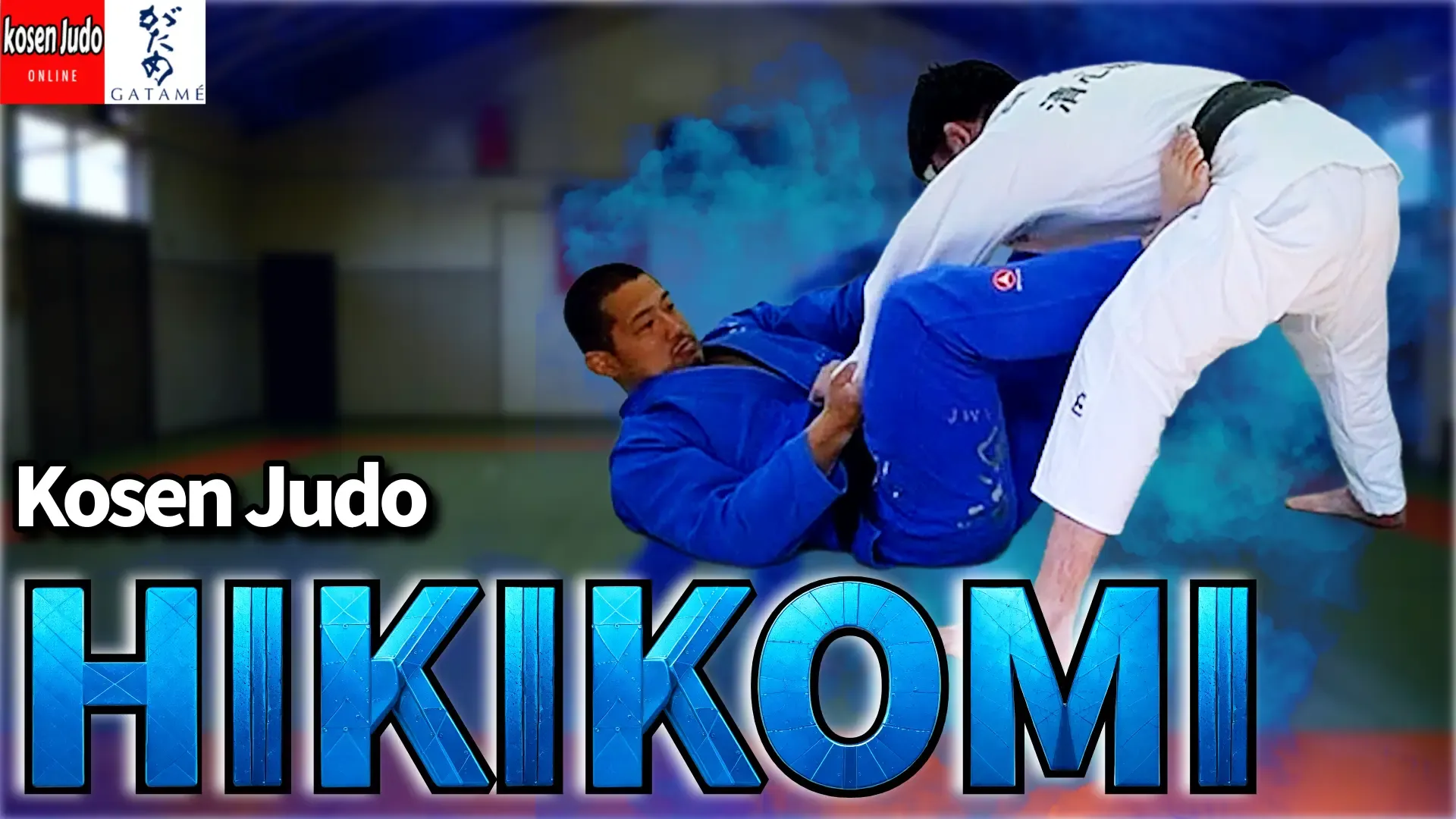
When Judo was eventually reinstated in the 1950s, it was under a new, more "sportified" framework designed for international appeal and Olympic inclusion. This modern version of Judo favored the spectacular, high-amplitude throws of the standing game (Tachi-waza) to make the sport more spectator-friendly. Rules were adjusted to limit the time spent on the ground, and the "Hikikomi" (pulling into groundwork) that was the hallmark of the Kosen style was increasingly penalized. The focus shifted from the grueling, technical battles of the Kosen era to the explosive, point-based competition we see today.
As Olympic Judo became the global standard, the ground-heavy Kosen style was pushed to the extreme periphery of the martial arts world. It survived primarily within the "Nanatei"—the Seven Imperial Universities (Hokkaido, Tohoku, Tokyo, Nagoya, Kyoto, Osaka, and Kyushu). These elite institutions maintained their own unique ruleset, preserving the tradition of team-based Newaza competition. Today, Kosen Judo stands as a living fossil—a window into a time when Judo was a complete, unrestricted system of combat. It remains a vital source of inspiration for modern grapplers, proving that the mastery of the ground is an eternal science that transcends the changing tides of sporting rules.